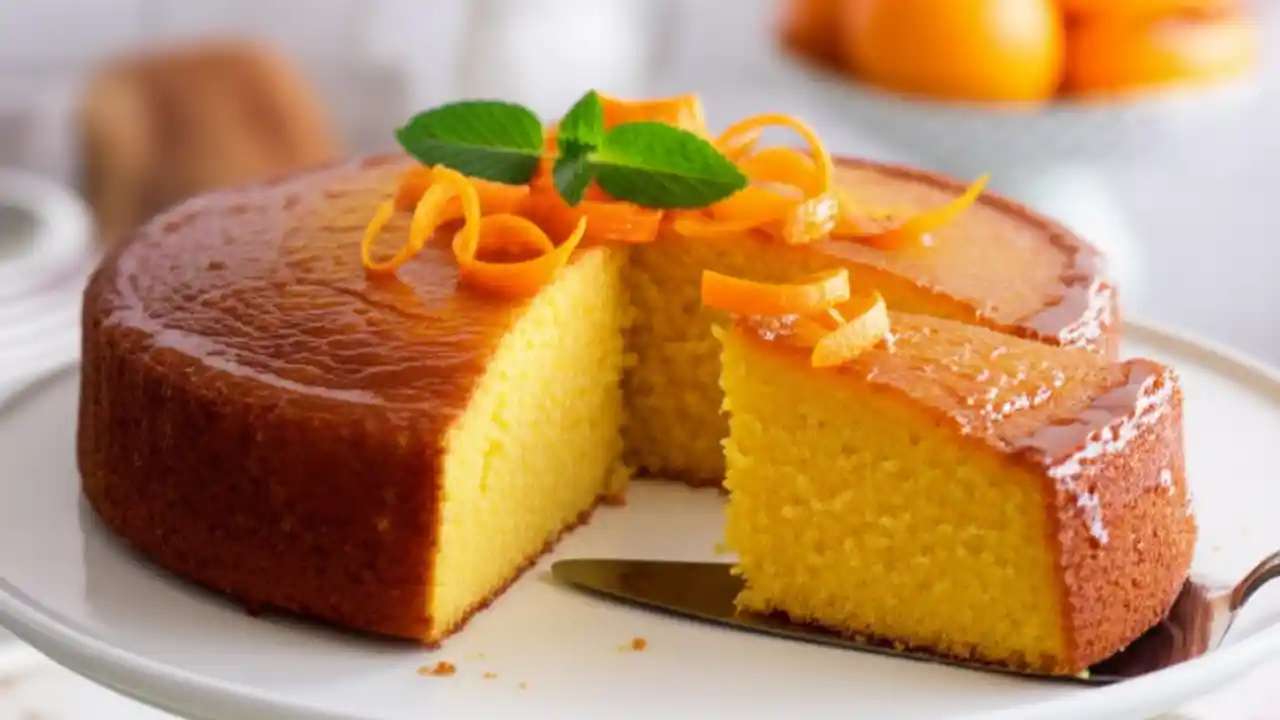
The world of baking is constantly evolving, with new ingredients and techniques emerging to cater to diverse tastes and dietary needs. Among these innovations, almond flour cake has risen to prominence, captivating bakers and dessert lovers alike with its unique texture, delightful flavor, and impressive nutritional profile. Far from being just a gluten-free alternative, almond flour cake offers a sophisticated and genuinely delicious experience that stands on its own merits.
If you've ever dreamt of a cake that's both indulgent and a little bit better for you, then the almond flour cake is your answer. It's a culinary chameleon, capable of adapting to rich chocolate creations, zesty citrus delights, and wholesome fruit-filled bakes. This comprehensive guide will take you through everything you need to know to master the art of baking a truly delicious almond flour cake, from understanding its unique properties to expert tips and exciting variations.
Why Bake with Almond Flour? Unveiling the Benefits
Before diving into recipes and techniques, it’s essential to understand what makes almond flour such a standout ingredient in baking, particularly for cakes. Its distinct characteristics contribute significantly to the final product, offering advantages that go beyond simple substitution.
A Healthier Indulgence
One of the primary reasons for the soaring popularity of almond flour cake is its superior nutritional value compared to traditional wheat flour cakes. Almond flour, made from finely ground blanched almonds, is a powerhouse of nutrients:
- Gluten-Free: Naturally free of gluten, it's an excellent choice for individuals with celiac disease, gluten sensitivity, or those simply looking to reduce gluten intake.
- Low in Carbs, High in Healthy Fats: Almond flour is significantly lower in carbohydrates than wheat flour, making it ideal for keto, low-carb, and diabetic-friendly diets. It's also rich in monounsaturated fats, which are heart-healthy. For more on keto options, explore how to Bake Perfect Keto Almond Flour Cake Every Time.
- Rich in Protein and Fiber: It provides a good source of plant-based protein, helping you feel fuller longer, and dietary fiber, which aids digestion.
- Vitamins and Minerals: Packed with vitamin E (a powerful antioxidant), magnesium, and calcium, almond flour adds a nutritional boost to your desserts.
Choosing an almond flour cake means you can enjoy a delightful treat without the typical sugar crash or the feeling of heavy indulgence, making it a truly smarter choice for dessert.
Unique Texture and Flavor
Beyond its health benefits, almond flour brings a distinct textural and flavor profile that elevates any cake it graces:
- Unmatched Moistness: Thanks to its high fat content, almond flour cakes are exceptionally moist and tender, often staying fresh longer than their wheat-based counterparts.
- Delicate Crumb: The fine grind of blanched almond flour results in a delicate, almost velvety crumb that melts in your mouth.
- Subtle Nutty Flavor: Almond flour imparts a mild, slightly sweet, and nutty flavor that complements a wide range of other ingredients, from citrus and berries to chocolate and spices, without overpowering them.
This combination of health benefits and desirable sensory qualities makes baking an almond flour cake a rewarding experience.
Mastering the Art of Delicious Almond Flour Cake: Essential Tips
While baking with almond flour shares some similarities with traditional baking, there are crucial differences to understand to achieve the perfect result. Here are key tips to help you bake a consistently delicious almond flour cake.
The Right Ingredients Matter
Success starts with selecting the correct components:
- Choose Superfine Blanched Almond Flour: This is paramount. "Blanched" means the skins have been removed, resulting in a lighter color and milder flavor. "Superfine" indicates a very fine grind, essential for a smooth, non-gritty texture in your cake. Avoid almond meal, which is coarser and often contains skins, leading to a denser, more rustic bake.
- Eggs are Key Structural Elements: Almond flour lacks gluten, which provides structure in wheat-based cakes. Eggs become even more vital in an almond flour cake for binding ingredients, providing lift, and contributing to moisture. Don't skimp on them!
- Adjust Sweeteners Carefully: If using alternative sweeteners like erythritol, stevia, or monk fruit for a low-carb or keto almond flour cake, be mindful of their differing sweetness levels and how they interact with other ingredients. Some can absorb more liquid or leave a cooling sensation.
- Boost Leavening Agents: Almond flour is heavier than wheat flour, so you often need slightly more baking powder or baking soda (or a combination) to achieve proper lift and a light texture.
- Don't Forget Fat: Healthy fats like butter, coconut oil, or olive oil are important not only for flavor but also for adding moisture and tenderness to your almond flour cake.
Crucial Baking Techniques
Proper technique ensures your ingredients work together harmoniously:
- Measure Accurately, Especially Flour: For almond flour, weighing it with a kitchen scale (grams or ounces) is always more accurate than using measuring cups, as its density can vary.
- Don't Overmix: While gluten development isn't an issue, overmixing can still incorporate too much air, which might cause your cake to collapse, or develop a tough texture. Mix until just combined.
- Lower Temperature, Longer Bake Time: Almond flour browns more quickly than wheat flour due to its fat and protein content. Often, baking an almond flour cake at a slightly lower temperature (e.g., 325-350°F / 160-175°C) for a longer duration prevents over-browning on the outside while ensuring the inside is fully cooked.
- Test for Doneness Properly: A toothpick inserted into the center should come out clean, or with moist crumbs attached, but not wet batter. The cake should also spring back gently when lightly touched.
- Cool Completely: Almond flour cakes can be delicate when warm. Allow them to cool completely in the pan before attempting to invert or frost them to prevent breakage.
Avoiding Common Pitfalls
Even experienced bakers can encounter issues. Here's how to prevent them:
- Cake Falling Flat: This often results from insufficient leavening, overmixing, or opening the oven door too early. Ensure your baking powder/soda is fresh.
- Dry or Crumbly Texture: The most common culprits are overbaking or not enough fat/liquid in the recipe. Always use accurate measurements and check for doneness at the earliest suggested time.
- Gummy or Dense Texture: This can happen if the cake is undercooked, has too much liquid, or not enough leavening. Ensure proper bake time and check your liquid ratios.
Beyond Basic: Exciting Almond Flour Cake Variations
The beauty of the almond flour cake lies in its versatility. Its mild flavor provides a perfect canvas for a myriad of other ingredients, allowing for endless creative possibilities.
Classic Combos
- Lemon Poppy Seed Almond Flour Cake: The bright zest of lemon combined with the subtle crunch of poppy seeds creates a refreshing and elegant cake. A simple lemon glaze enhances the experience.
- Chocolate Almond Flour Cake: Indulge in a rich, fudgy chocolate cake that's naturally gluten-free. Add cocoa powder, chocolate chips, or even a luscious chocolate ganache.
- Berry Almond Flour Cake: Fold in fresh or frozen berries (raspberries, blueberries, strawberries) for a burst of fruitiness and color. They pair wonderfully with the nutty almond base.
Global Inspirations
- Orange Almond Cake: A Mediterranean-inspired classic, often made with whole oranges (boiled and pureed), lending incredible moisture and intense citrus flavor to the almond flour cake.
- Torta Caprese: An Italian flourless chocolate and almond cake, traditionally made without any flour, resulting in a dense, rich, and intensely chocolatey dessert.
Frosting and Glaze Pairings
Elevate your almond flour cake with the right topping:
- Cream Cheese Frosting: A tangy cream cheese frosting complements most almond flour cakes, adding another layer of moisture and richness.
- Simple Glazes: A quick glaze made from powdered sugar and lemon juice, orange juice, or even almond extract adds a touch of sweetness and shine without being too heavy.
- Chocolate Ganache: For the ultimate indulgence, a smooth chocolate ganache poured over a chocolate almond flour cake is pure bliss.
- Fresh Fruit & Whipped Cream: Sometimes, less is more. A dollop of fresh whipped cream and a scattering of fresh berries or sliced fruit can be the perfect light accompaniment.
Almond Flour Cake vs. Wheat: Making Healthier Baking Choices
When considering baking choices, it's helpful to understand the fundamental differences between an almond flour cake and one made with traditional wheat flour. This comparison goes beyond just gluten content and delves into overall nutritional impact and baking characteristics, making it easier to make truly Healthier Baking Choices.
- Nutritional Density: Almond flour generally boasts a higher nutrient density. It contains more protein, fiber, and healthy fats, and fewer net carbohydrates than white wheat flour. This means an almond flour cake can offer more sustained energy and a lower glycemic impact.
- Glycemic Index: Due to its lower carbohydrate content and higher fiber/fat, almond flour has a significantly lower glycemic index compared to wheat flour. This is particularly beneficial for managing blood sugar levels.
- Gluten Content: The most obvious difference is the absence of gluten in almond flour, which is crucial for individuals with gluten sensitivities or celiac disease. Wheat flour contains gluten, which gives elasticity and structure to baked goods, but can cause digestive issues for some.
- Texture & Moisture: As discussed, almond flour cakes tend to be incredibly moist and tender, with a delicate crumb. Wheat flour cakes can vary widely, but often rely on gluten development for their characteristic chewiness and rise. Achieving a moist gluten-free cake can be challenging without ingredients like almond flour.
- Flavor Profile: While wheat flour has a relatively neutral taste, almond flour adds a subtle, pleasant nutty undertone that can enhance the overall flavor complexity of a cake.
Ultimately, opting for an almond flour cake isn't just a dietary compromise; it's a conscious decision to enjoy a delicious, indulgent dessert that also aligns with a healthier lifestyle, offering more nutritional benefits without sacrificing taste or texture.
The journey to baking a truly delicious almond flour cake is a rewarding one. By understanding the unique properties of almond flour, employing precise techniques, and embracing creative variations, you can unlock a world of healthier, incredibly satisfying desserts. Whether you're seeking a gluten-free option, a low-carb treat, or simply a cake with an exquisite taste and texture, the almond flour cake delivers on all fronts. So, preheat your oven, gather your superfine blanched almond flour, and prepare to bake a masterpiece that will delight your senses and nourish your body.
